Transform Your Gathering: Exceptional Catering Solutions for Any Event
Improving an event through catering requires careful consideration of various elements. The decision of catering style can substantially impact the overall experience. Developments such as engaging food displays and sustainable ingredients are becoming increasingly popular. In addition, addressing dietary needs and staying within budget are critical. Recognizing these considerations can transform an ordinary gathering into a lasting impression. Nevertheless, determining the best-suited plan and support is essential for attaining the expected outcome. How should one proceed from this point?
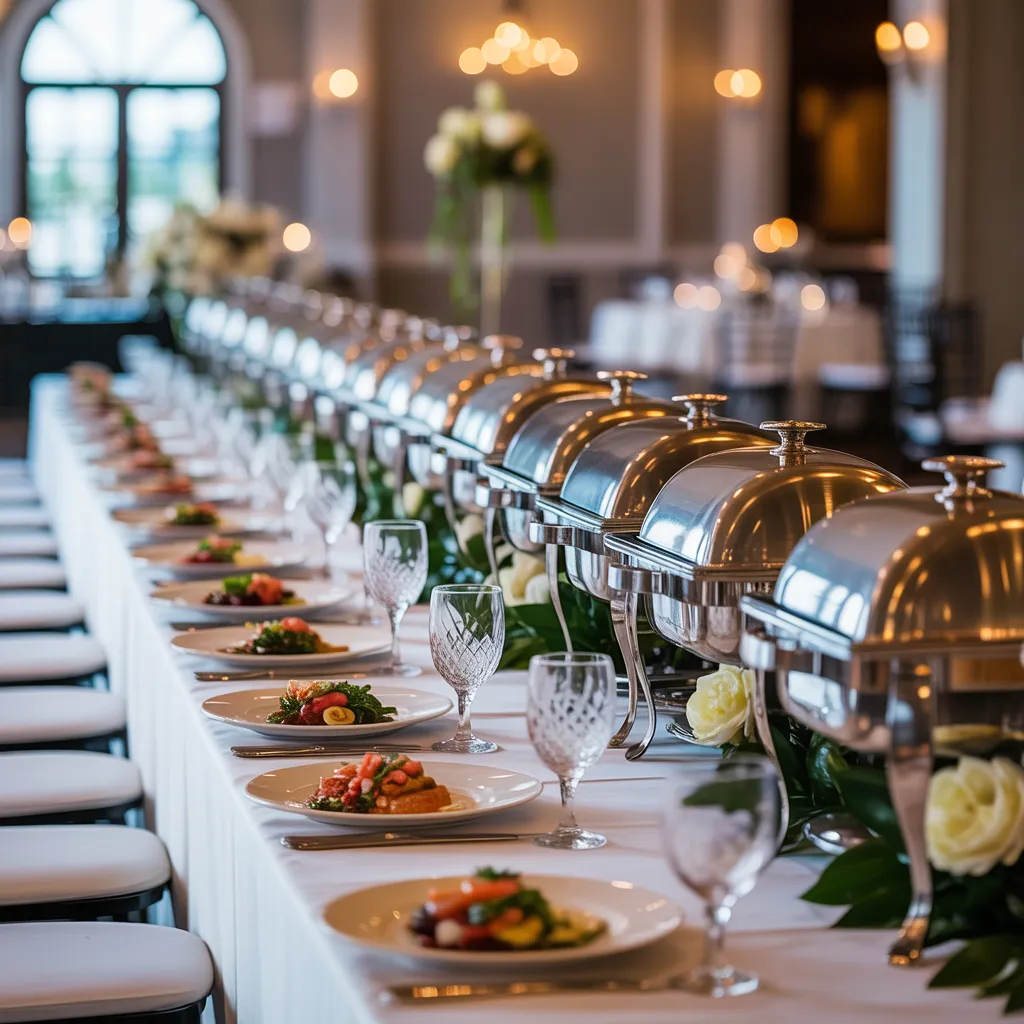
How to Find the Best Catering Style for Your Event
When organizing an event, how can one identify the ideal catering style? The decision relies on a number of considerations, including the nature of the event, guest count, and venue. Formal occasions, such as corporate functions or weddings, frequently call for plated service, which provides a refined dining experience. In contrast, relaxed gatherings like informal parties often benefit from family-style or buffet catering, promoting socialization and engagement among guests.
An additional factor concerns the food preferences and dietary requirements of participants, which demand a versatile menu that addresses a range of dietary considerations. Furthermore, the budget plays an essential role; various catering options differ in their overall affordability. Lastly, the general ambiance sought should align with the chosen catering method, whether it be sophisticated or laid-back. In the end, understanding these elements allows event planners to select a catering style that elevates the event while fulfilling both stylistic and operational demands.
The Best Catering Trends to Delight Your Guests
Modern events increasingly embrace innovative catering trends that enhance the guest experience. A notable development is the incorporation of interactive food stations, allowing guests to tailor their food selections in live settings. This not only adds an interactive dimension but also fosters meaningful connections between guests.
Eco-friendly and locally obtained ingredients are becoming increasingly popular, reflecting a growing awareness of environmental impact and health consciousness. This shift not only improves culinary quality but also bolsters regional economies.
Furthermore, culturally inspired dining experiences transport guests to different cultures through food, crafting unforgettable dining experiences. Finally, the rise of visually spectacular culinary showcases, such as edible art and vibrant platings, confirms that every dish delights the senses visually as much as it satisfies the taste buds. Collectively, these advancements elevate the overall catering experience, making a profound impact on attendees while establishing the ambiance of the gathering.
How to Make Sure Everyone's Dietary Needs Are Met
Addressing dietary needs at events requires early identification of restrictions to guarantee inclusivity. Providing a varied menu that caters to different preferences and needs is vital for the satisfaction of guests. Proper labeling of food items additionally helps prevent confusion and fosters a secure dining environment.
Recognize Dietary Restrictions From the Start
What steps can event organizers take to make sure every attendee feels included and pleased? Pinpointing dietary limitations ahead of time is crucial for reaching this aim. In advance of the event, organizers should issue invitations that incorporate a request for food preferences and dietary restrictions. This anticipatory strategy permits them to obtain critical details and cater to a range of needs, encompassing allergies, intolerances, and lifestyle decisions like veganism or gluten-free nutrition.
Those organizing events can also explore developing a straightforward digital form or questionnaire to streamline the process. By gathering and organizing this information, they can ensure that every guest's needs are met, promoting an inclusive and welcoming environment. Ultimately, early identification of dietary restrictions not only boosts attendee satisfaction but also reflects the organizer's commitment to thoughtful planning.
Provide a Variety of Menu Choices
Following the collection of dietary restrictions, event organizers can proceed by presenting a wide range of menu options designed to suit all attendees. A well-curated menu should include vegetarian, vegan, gluten-free, and nut-free choices, making certain that no one feels excluded. By integrating an assortment of cuisines, organizers can cater to a range of palates while acknowledging dietary preferences and needs. The use of seasonal produce can boost the flavor and freshness of dishes, making them more enticing to attendees. Moreover, presenting an assortment of appetizers, main dishes, and sweet courses gives guests the opportunity to relish a comprehensive dining experience. Working with catering professionals who focus on diverse menu options can help ensure read guide that all dietary considerations are satisfied, ultimately cultivating an inclusive setting that enriches the overall event experience.
Label All Food Items Clearly
What steps can event organizers take to guarantee attendees feel secure and knowledgeable about their dietary selections? Clearly labeling food is essential for addressing dietary needs. Organizers should utilize signage that specifies ingredients and highlights common allergens such as nuts, gluten, and dairy. Such openness enables attendees to make educated choices and prevents possible health concerns. Moreover, using color-coded labels can streamline the process of identifying vegan, vegetarian, and gluten-free dishes. Including comprehensive descriptions on menus boosts clarity and fosters greater guest involvement. Organizers are encouraged to have trained personnel readily available to respond to questions regarding the food. By implementing these strategies, event planners can create a welcoming atmosphere where all guests feel confident in their food selections, ultimately elevating the overall event experience.
Building a Tailored Menu for Your Theme
Creating a customized menu for an themed occasion enhances the guest experience, guaranteeing that the dining options complement the event's essence. A carefully crafted selection of dishes conveys the event's tone, be it a formal gala, a festive birthday gathering, or a leisurely outdoor event. By incorporating the overall theme, hosts can select dishes that complement colors, traditions, and cultural influences.
Utilizing seasonal ingredients does more than boost taste as it also suits the visual appeal of the occasion. For instance, a tropical theme may highlight vibrant fruits and invigorating seafood, while a rustic-themed event could highlight hearty, locally sourced fare. In addition, catering to dietary requirements and restrictions creates an environment of inclusivity, letting all attendees savor the gastronomic adventure.
Fundamentally, a personalized menu transforms mere sustenance into an indispensable part of the occasion's story, leaving a lasting impression that goes well beyond the closing plate.
The Importance of Professional Service in Catering
Expert catering service significantly elevates the entire event experience, guaranteeing that guests feel acknowledged and respected. Steadiness and trustworthiness are defining characteristics that separate skilled caterers from the rest, offering confidence that all elements will fulfill expectations. This level of service not only reflects the event's quality but also reinforces the host's reputation.
Effect on Event Experience
Even though the dishes offered at an event tend to be a main attraction, the quality of catering service greatly impacts the overall experience. Experienced service personnel not only guarantee that dishes are presented beautifully but also oversee the timing and flow of service, which can improve guest enjoyment. Dedicated service staff create an inviting atmosphere, allowing hosts to interact with their guests without worry. In addition, well-informed team members can provide guidance about the menu, ensuring guests are informed and satisfied with their selections. Ultimately, the flawless delivery of catering services contributes to a memorable event, leaving a profound mark on attendees. A well-coordinated catering experience elevates the occasion, highlighting the importance of professional service in event planning.
Reliability and Uniformity Assurance
Guaranteeing consistency and reliability in catering services is fundamental to a successful event. When clients hire professional caterers, they anticipate a smooth experience, from initial planning to final execution. Trustworthy catering companies copyright high standards, making certain that food quality, presentation, and service are kept consistent. This dependability gives clients confidence that their guests will savor a remarkable dining experience.
Furthermore, professional catering teams excel at managing logistical challenges, such as impromptu adjustments or nutritional considerations, without compromising service quality. Their experience allows them to foresee possible problems, reducing anxiety for event planners. At the core, the consistency of a catering team directly affects the complete success of an occasion, fostering trust and encouraging clients to return for future occasions.
Planning Your Catering Budget: Getting the Most Value
Navigating the challenges of budgeting for catering can have a major effect on the general outcome of an event. Creating a well-structured budget is vital, as it defines the boundaries for all catering choices. Event planners should begin by determining the full amount allocated and dividing it into specific segments, such as service fees, food, and drinks.
Prioritizing needs over wants can prove beneficial in maximizing value; for instance, choosing a buffet format may deliver greater selection at a more affordable price than plated service. Furthermore, working out deals with catering providers can result in reduced rates or bundled packages, enhancing the overall experience without breaking the bank.
Utilizing seasonal ingredients can help lower costs as well while ensuring fresh and flavorful dishes. By systematically assessing choices and acting on well-informed decisions, professional event organizers can deliver an exceptional catering outcome that meets their financial constraints without sacrificing quality.
Assessing and Selecting the Best Catering Service
What steps can event planners take to properly assess and select the ideal catering service? The first step involves determining specific event needs, such as the preferred cuisine style, number of guests, and any dietary restrictions. Next, planners should research potential caterers by reviewing online ratings, testimonials, and portfolios of past events. It is essential to schedule tastings to assess food quality and presentation.
Budget factors carry significant weight; planners must obtain detailed quotes that outline all costs, including operational fees and any applicable overtime expenses. Engaging in direct communication with caterers helps to gauge their responsiveness and willingness to accommodate unique requests. Furthermore, verifying appropriate licenses and insurance ensures dependability and a professional standard.
Ultimately, organizers should obtain recommendations from fellow professionals or professional networks to shortlist candidates. By integrating these methods, organizers can successfully choose a catering company that aligns with their vision and improves the guest experience.
Common Questions and Answers
How Far in Advance Should I Book Catering Services?
Professionals advise reserving catering arrangements at least three to six months in advance for sought-after dates and event spaces. This ensures availability, enables menu tailoring, and offers sufficient time for all necessary changes and preparation.
Do Catering Services Offer Rentals for Tables and Chairs?
Many catering providers offer rental packages for tables and chairs, offering a complete solution for events. Event planners ought to explore these extra offerings when reserving to guarantee all requirements are satisfied for their event.
What Is Done with Leftover Food Once the Event Ends?
Following the event, leftover food is typically assessed for safety and quality. Many catering services donate excess food to local charities or shelters, while some may package it for clients or dispose of it responsibly.
Do Catering Costs Include Gratuities?
Tips are generally not factored into the catering price. Clients should verify with the catering service regarding their policy on gratuities, since the provider may propose a percentage relative to the total invoice or quality of service rendered.
Can I Sample the Menu Items Before Placing My Final Order?
Yes, a tasting session is usually arranged before the order is finalized. This occasion gives clients the ability to taste the menu choices, confirming that the selected items suit their preferences and overall event vision.